




Build Experiential Learning Into the Curriculum
One critical step is making career readiness more explicit in the design of the curriculum. Applied projects, collaborative assignments, presentations and opportunities for revising work after receiving feedback can give students practice with processes that occur in the workplace. With this kind of coursework, students are not just demonstrating that they intellectually know the material. They are also learning to communicate ideas, work closely with other people, receive and respond to criticism, and exercise judgment.
Educational experiences like these also give students an increasingly important edge in the job market: evidence of their capability. Rather than simply claiming proficiency in skills, graduates should be able to show how their academic work shows their ability to apply those skills.
Experiential learning in distance learning programs also does not need to be confined to online environments. At the University of Florida College of Journalism and Communications, we have approached this challenge by expanding access to experiential opportunities that exist for on-campus students, such as a student-run, full-service marketing group called The Agency. We have production facilities that support podcasting, news writing and television production, and game day production for football games. Historically, these experiences have been primarily for on-campus students, but we have worked to make them available to our online students as well.
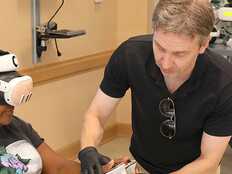
DISCOVER: Virtual reality helps students develop soft skills.
This reflects an important reality. Roughly 80% of our online graduate students live in Florida, and many are able to participate in campus-based activities. This is not unique to the University of Florida. A 2026 report from Risepoint states that 76% of online learners live or work in the same state as the institution they attend, and 60% live within 100 miles. For many institutions, opening existing on-campus opportunities to online students can therefore be a useful addition to online options.
For those students who do live farther away, experiential learning can take another form. Our CJCxNYC program allows students to spend anywhere from a week to an entire semester in New York City, participating in internships and other professional experiences. Students can also participate in international experiences connected to professional sporting events, gain exposure to interviewing and reporting, and work in professional sports environments.
The broader principle here is that distance education should expand students’ options for experiential learning and offer a combination of online learning, professional experiences and opportunities to engage with an industry directly.
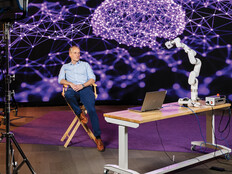
LEARN MORE: Standardized platforms can create a seamless hybrid learning experience.
Make Career Services Accessible and Personal
Career services pose another challenge. It is not enough for institutions to simply offer online students the same access to the career center as all other students. Schools need to make those services feel highly visible, relevant and accessible to students who may rarely visit campus. For example, the University of Florida recently held its first in-person gathering specifically for online students. Career services staff participated, meeting with students to review resumes and help them prepare for job interviews.
But institutions cannot depend on online students physically traveling to campus. Offering online career programming can complement on-campus offerings, and both are needed. For example, our Careers in Communication Week used to be exclusively an on-campus career event, but it has evolved into a week of employer conversations, interviews, job fairs, speakers and other career-focused activities, much of which is available online.
Click the banner below to subscribe to our weekly newsletter.