






Makerspaces Serve a Broad User Base at Schools
The maker movement has flourished in university settings in recent years, says Joseph Gottbrath, senior technical director of the Jacobs Institute for Design Innovation at the University of California, Berkeley, and a board member for the Higher Education Makerspaces Initiative, which addresses academic makerspace challenges and best practices.
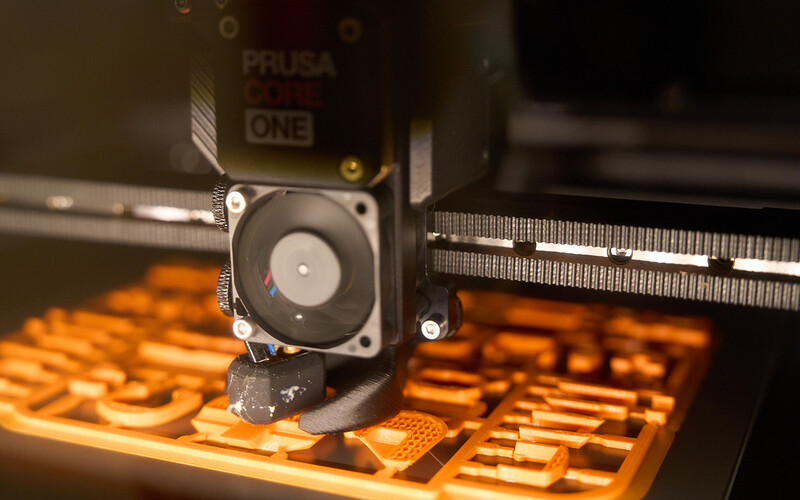
While facilities vary, survey results published in the International Journal of Academic Makerspaces and Making indicate software such as Microsoft Office, the Adobe Creative Suite and CAD programs are often commonly included, along with core tools such as 3D printers and laser cutters.
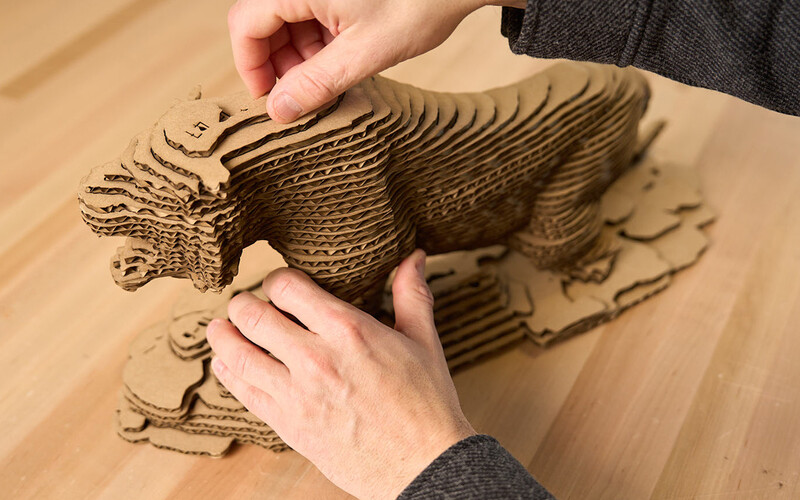
“They are using a variety of machines; some very old technologies, some new,” Gottbrath says. “Machines that were really just for the trades are much more accessible in makerspaces. We’re replicating hands-on experience.”
At the University of Wisconsin–Madison, project materials such as plywood and vinyl are generally the only expense undergraduate students in the College of Engineering have when using the Grainger Engineering Design Innovation Lab. Engineering graduate students pay a $100 access fee per semester, and other students pay $150.
DISCOVER: Can technology investments impact enrollment?
The 25,000-square-foot makerspace, located in two buildings on the school’s engineering campus, includes a bevy of creative tools: Bambu Lab X1 Carbon and X1E 3D printers; GoPro HERO5 Session, Samsung Gear 360 and FLIR C2 cameras; and Alienware laptop and desktop computers.
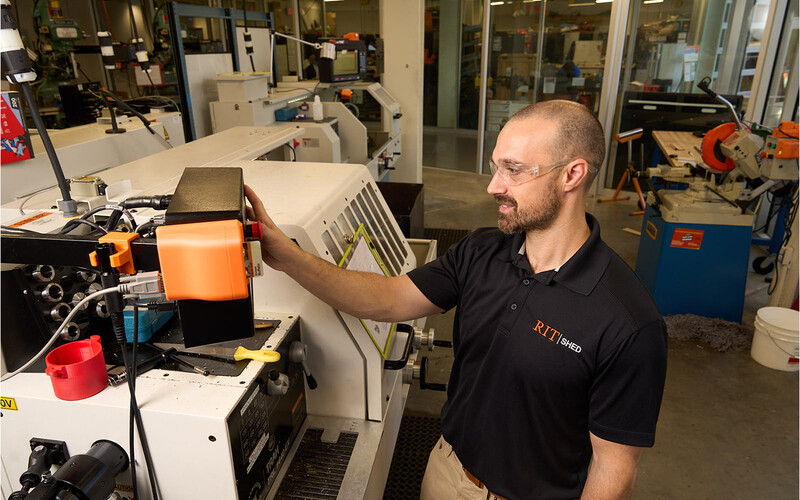
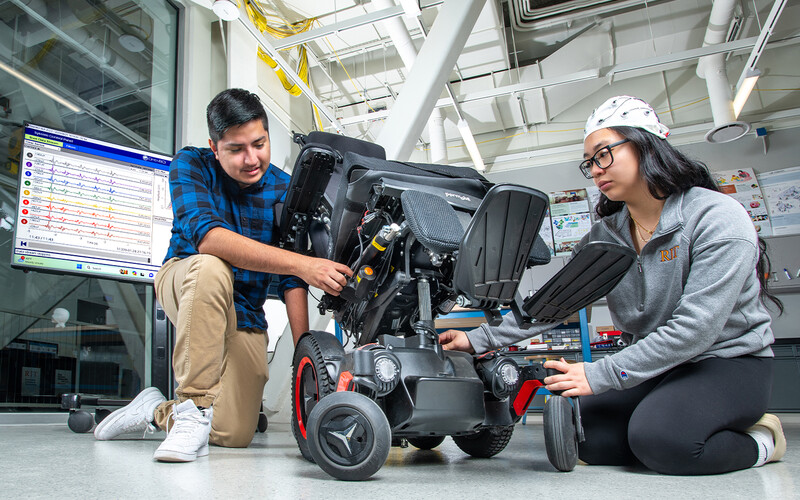
Makerspace users also have access to a drill press, saws, sanding devices, welders and other fabrication machinery.
“There are makerspaces all over the world — in China and Europe, South America,” says Lennon Rodgers, the lab’s director. “Everywhere you go, these spaces are popping up. They're huge investments, millions of dollars.”
At Case Western Reserve University, each floor of the seven-story Sears think[box] makerspace parallels an innovation process step, from brainstorming to fabrication, according to Executive Director Claire Dorsett.
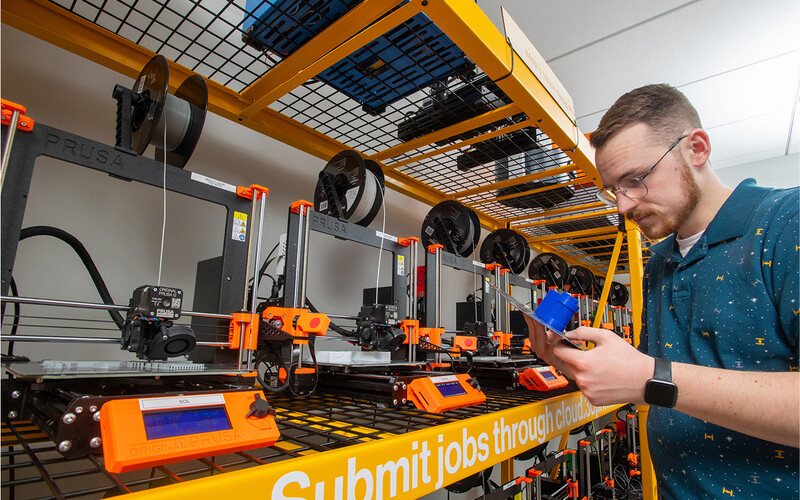
On the rapid prototyping–focused third floor, for instance, visitors can use more than 20 desktop 3D printers, soldering stations and other hardware, with help from full-time staff members and part-time student technicians, if needed. Designs can be powder-coated in a paint studio on the fifth floor.
The makerspace caters to a wide audience — including CWRU students, students from the nearby Cleveland Institute of Art and local residents — who just need to provide a photo ID to access resources.
“It gets our students out of the academic bubble,” Dorsett says. “They see and learn from folks in the community — some with years of industry experience and a solid understanding of real-world career paths, and others who are simply exploring making and tinkering with no prior experience at all.”