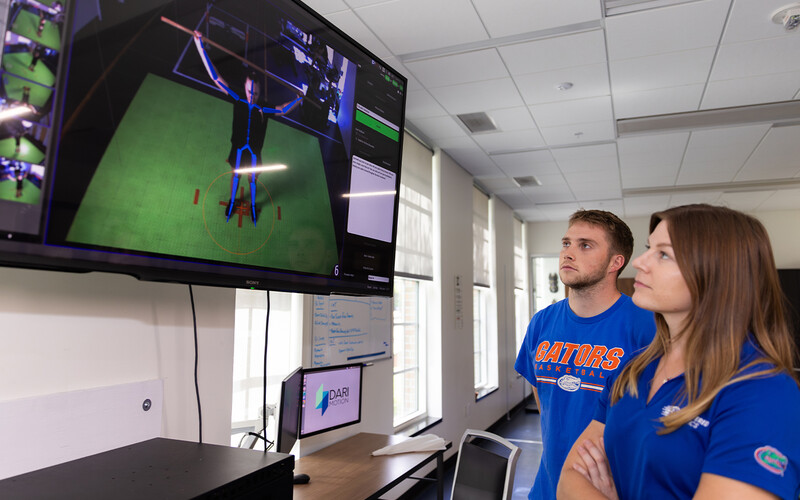







UF is one of a growing number of schools bringing artificial intelligence into their athletics departments to give coaches and athletes an edge. Just as universities compete to build the biggest stadiums and best training facilities, they are now racing to plant their flags in the next frontier of sports analytics. While it is still early, AI adopters hope the technology will help prevent injuries, optimize performance and uncover winning strategies.
“AI is having a real impact on sports,” says Ben Alamar, sports analytics consultant and author of Sports Analytics: A Guide for Coaches, Managers and Other Decision Makers. He notes that the uses of AI range from cameras that automatically track and zoom in on wrestlers on the mat to algorithms that analyze every pick-and-roll play in a basketball game.
“We’re gathering more data than ever on athletes,” Alamar says. “I think AI will dramatically speed up the process of getting value from that data.”
KEEP READING: How one college student is bringing Gen Z into the cybersecurity conversation.
University of Florida’s Athletic Department Bridges Data Silos
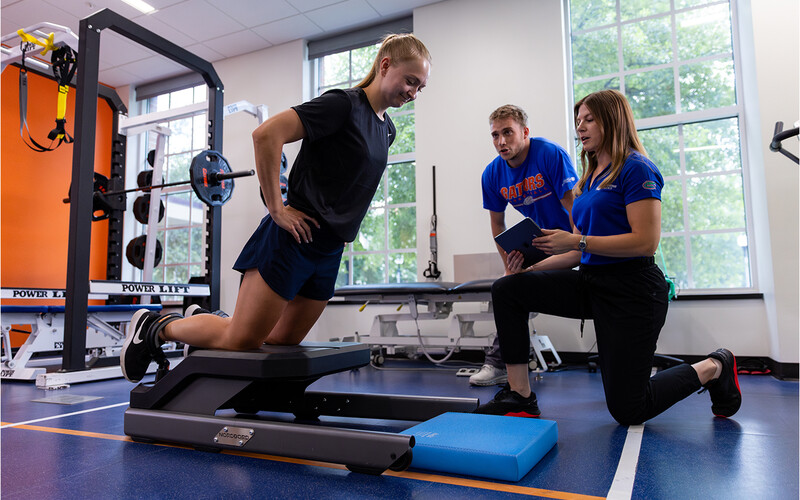
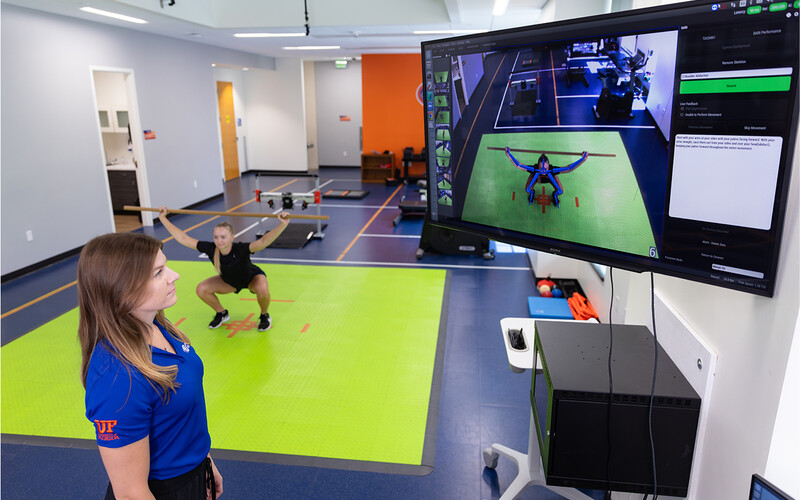
Spencer Thomas, director of sports performance and analytics at UF’s University Athletic Association, is focused on using AI to prevent injuries and optimize performance. Currently, he screens athletes for injury potential using a battery of strength and agility assessments, then makes training recommendations based on the results. “In the future, with AI, we can hopefully create more insights,” he says. “Instead of me computing all of this data, we can make the process much faster — and automatic.”
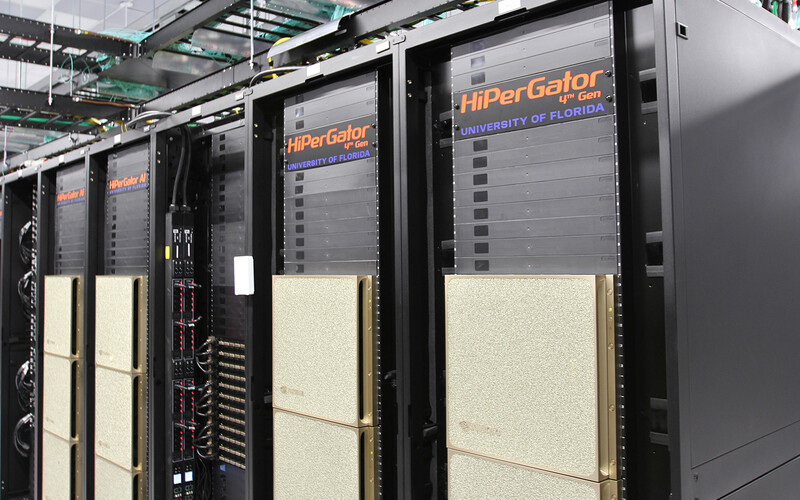
Researchers use HiPerGator, an NVIDIA-powered supercomputer built on technology donated by NVIDIA co-founder and UF alum Chris Malachowsky, to process their AI workloads. Additionally, the AI initiative relies on sports-specific technology such as inertial measurement unit trackers and plates that measure an athlete’s ground reaction force. The initiative also brings in nutritional data — and even information about academic performance — with the aim of creating a holistic picture of athletes and teams.
“Athletes are going to Spencer’s lab for performance testing, they’re being monitored during games and practices, and there’s also academic tracking,” Nichols says. “Then there are standard physicals and information about injuries and physical therapy. So, there’s this huge quantity of data.”